
Khasta Kachori with Aloo Sabzi Recipe
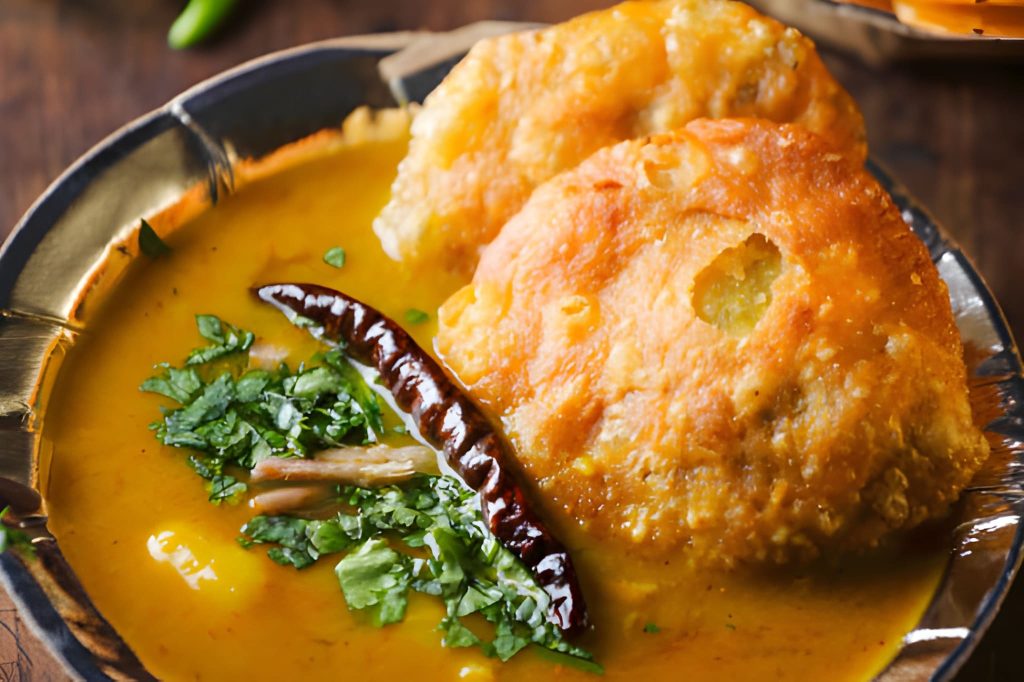
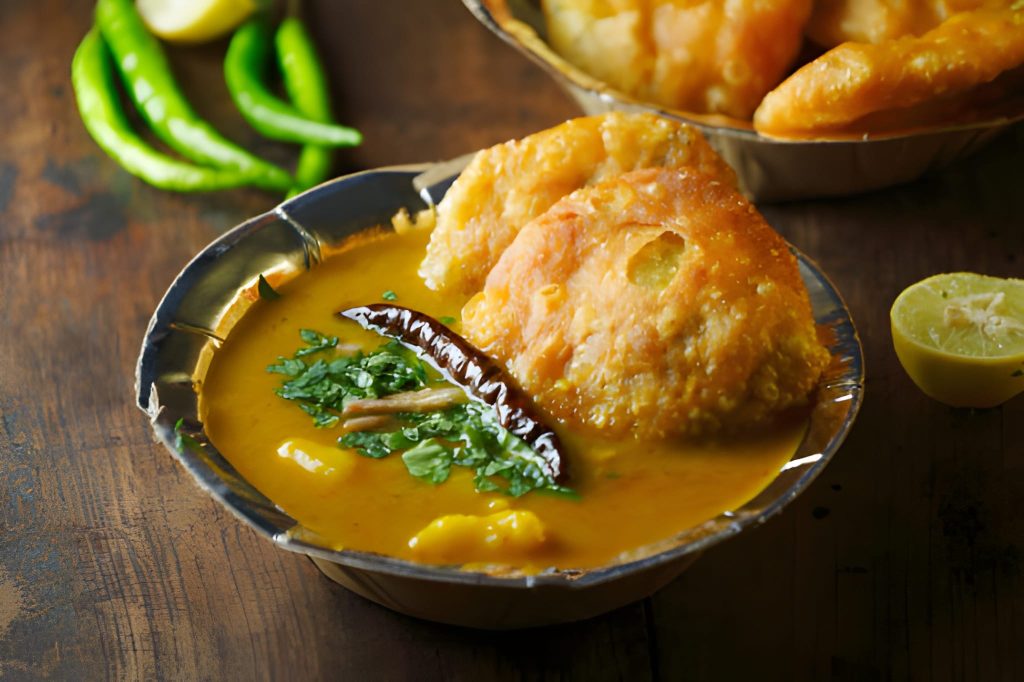
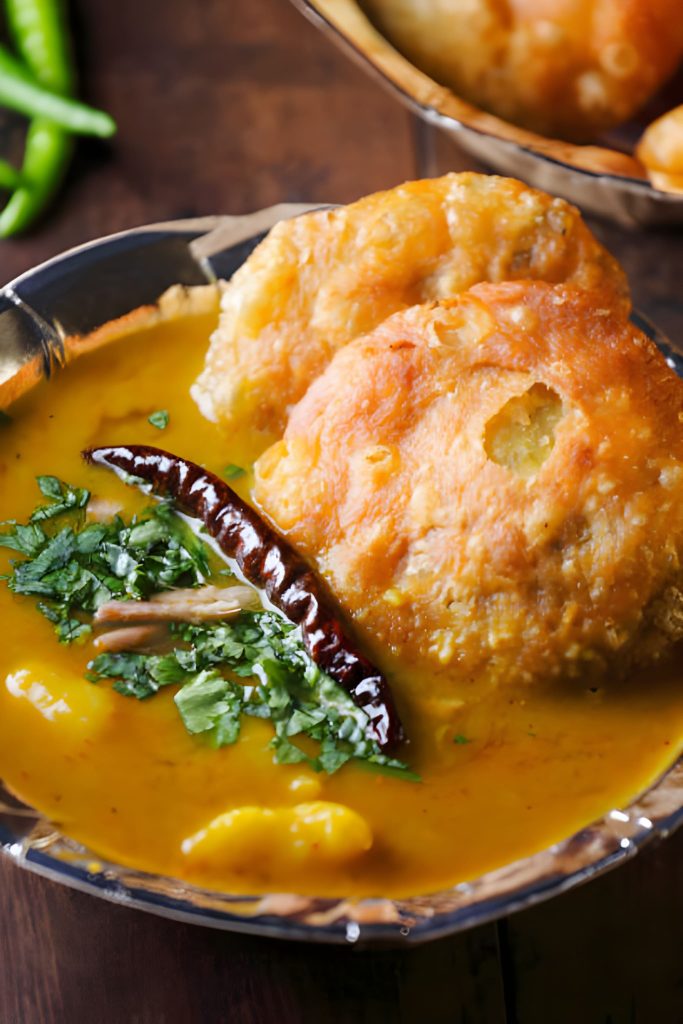
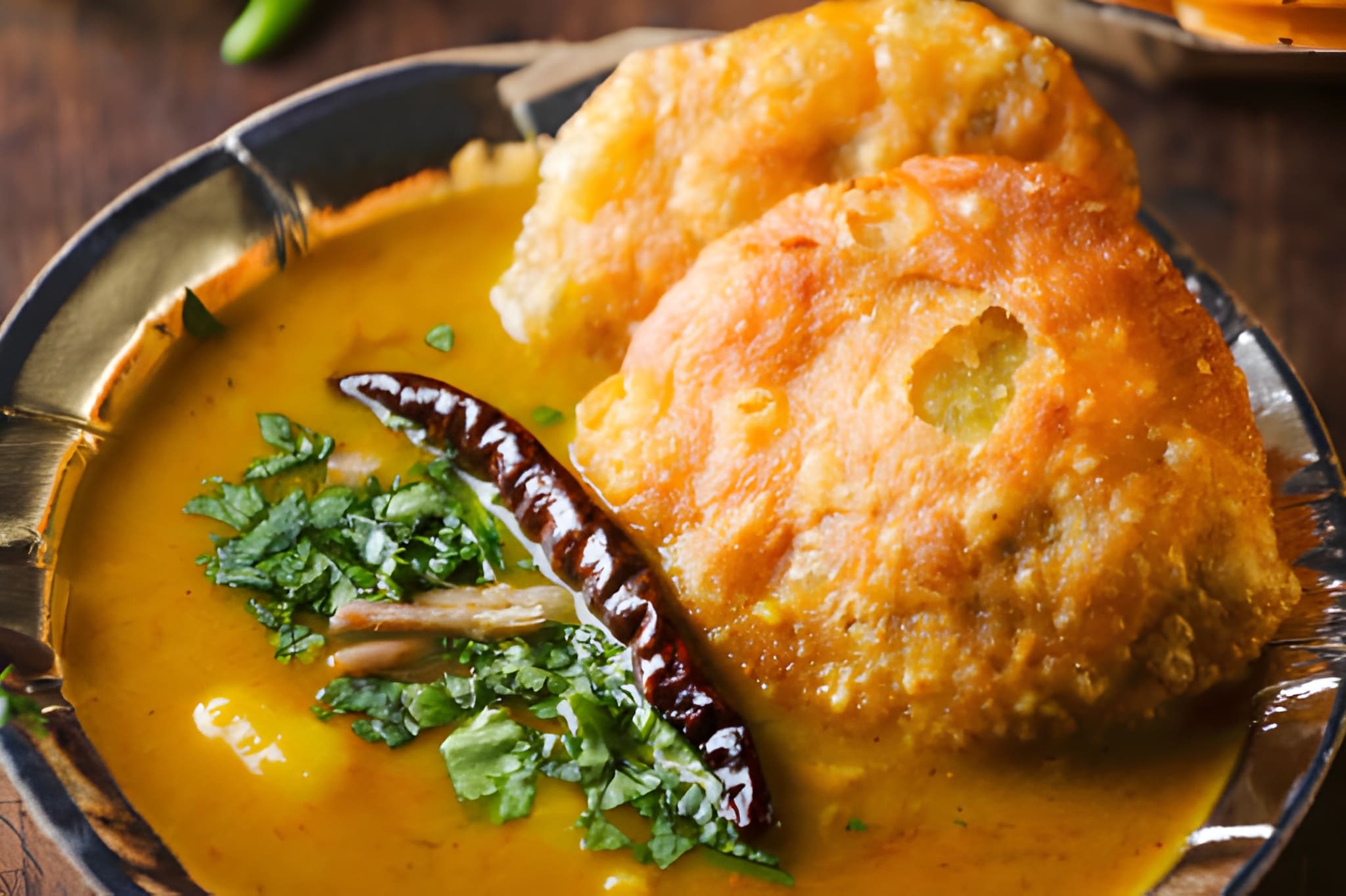
Khasta kachori with aloo sabzi brings together two quintessential elements of Indian comfort cooking: a flaky, golden pastry with a spiced lentil core and a hearty potato curry brimming with warmth. The contrast of crisp exterior and soft, fragrant filling, paired with the rustic charm of a tomato-spiced potato sabzi, creates a meal that feels festive yet familiar. With every bite, the aroma of toasted spices, the heat of green chilies, and the mellow sweetness of potatoes come together in a satisfying harmony perfect for gatherings or leisurely weekend meals.

Ingredient Breakdown
The ingredients in this recipe each play a distinct role in creating balance and structure. The kachori dough relies on all-purpose flour and semolina to achieve that signature crispness—flour provides softness while semolina contributes graininess and crunch. Carom seeds bring a subtle bitterness that cuts through the richness of the fried dough. Inside the kachori, split urad dal forms the protein-rich base of the filling, absorbing spices beautifully once roasted and ground. Aromatics like ginger, green chilies, and fennel seeds add layers of warmth and fragrance, while dried mango powder provides acidity. The aloo sabzi, on the other hand, draws character from cumin, dried red chilies, coriander powder, and hing, each contributing an earthy depth that complements the potatoes. Together, these elements build a dish that’s deeply flavorful and thoughtfully textured.
Step-by-Step Preparation Guide
The process begins with the aloo sabzi, which sets the aromatic tone for the meal. Potatoes are boiled and set aside, then tomatoes and chilies are sautéed with crackling cumin and dried red chilies to form a vibrant base. Once the spices bloom in the oil, potatoes are crumbled in, absorbing the masala and transforming into a thick, hearty curry. A touch of garam masala at the end brings everything together with warmth.
The kachori dough is then prepared with flour, semolina, carom seeds, and oil rubbed into the mixture until it resembles coarse crumbs. Water is added gradually, forming a firm dough that rests under a damp cloth to relax the gluten. Meanwhile, the urad dal filling is crafted by dry-roasting dal until aromatic and grinding it into a textured powder. Mixed with ginger, green chilies, fennel seeds, crushed pepper, and amchur, the filling becomes a fragrant, crumbly mixture that binds lightly with a splash of water.
The dough is divided, rolled into small discs, and filled generously. Sealing and shaping each kachori requires gentle pressure to avoid cracks while maintaining enough thickness for frying. The kachoris are then fried on low heat—an essential step for deep flakiness—until both sides turn golden and crisp. When served steaming hot with the aloo sabzi, the pairing transforms into a deeply comforting and aromatic feast.
Recipe Tips
How to achieve perfectly flaky kachoris with the right dough texture involves ensuring the shortening is well-incorporated and the dough remains firm rather than soft.
Tips for roasting and grinding urad dal for deep, nutty flavor include roasting on low heat until lightly golden and aromatic before grinding to maintain texture.
Managing oil temperature for crisp and evenly cooked kachoris is essential; keep the flame low to medium to allow the layers to puff and crisp gradually.
Techniques for sealing and shaping the kachoris without cracks include pressing the edges gently and keeping the dough uniformly thick to avoid bursting during frying.
How to balance spice levels in both the filling and the sabzi can be achieved by adjusting chili quantities and increasing amchur or garam masala to taste.
What to Serve With This Recipe
Ideal chutneys and condiments such as mint-coriander chutney, tamarind chutney, or a tangy garlic chutney enhance the flavors of the kachori and add a refreshing contrast. Beverage pairings that complement the warm, savory spices include masala chai, salted lassi, or even a simple lemon soda to balance richness. For a complete festive thali, pair the kachori-sabzi combination with boondi raita, pickles, papad, and a small serving of rice kheer to create a celebratory spread.
Frequently Asked Questions
Whether the dough can be prepared in advance depends on resting time; the dough can be made a few hours earlier and kept covered to prevent drying out.
How to store leftover kachoris without losing crispness involves cooling them completely and reheating in an oven or air fryer to restore crunch.
Possible substitutes for urad dal in the filling include moong dal or chana dal, though each offers a slightly different texture.
Tips for preventing the kachoris from turning oily include maintaining low frying temperature and ensuring the dough is firm enough to hold its structure.
Whether the sabzi can be made thicker, thinner, or with added vegetables is flexible—adjust water for consistency or incorporate peas or bell peppers for variation.
Creative Variations
There are endless ways to customize this classic dish. The filling can be adapted with roasted peanuts, crushed chana dal, or even spiced peas for a textural twist. Adding kasuri methi or finely chopped herbs to the dough introduces a new aromatic layer. For a festive touch, stuffing the kachoris with a combination of lentils and grated paneer adds richness. Spice blends such as chaat masala or black salt can transform the sabzi into a tangier version, offering a unique interpretation while staying true to the dish’s roots.
Khasta kachori with aloo sabzi is a celebration of texture, aroma, and layered flavors. The crisp shell filled with seasoned lentils paired with the warmth of spiced potatoes creates a meal that feels indulgent, comforting, and deeply rooted in traditional Indian cooking. Whether enjoyed during festivals or Sunday brunch, this classic pairing never fails to bring joy to the table.
Ingredients
For Aloo Sabzi
6 large boiled potatoes
3 tomatoes, chopped
2 green chilies, slit
4 tablespoons oil
1 teaspoon cumin seeds
2 whole dried red chilies
¼ inch ginger piece, grated
1 teaspoon red chili powder
½ teaspoon turmeric powder
2 teaspoons coriander powder
1 teaspoon garam masala
¼ teaspoon asafoetida (hing)
Salt to taste
Fresh cilantro, chopped (for garnish)
For Khasta Kachori Dough
1¼ cups all-purpose flour (approx. 160 g)
¼ cup semolina (about 40 g)
1 teaspoon carom seeds (ajwain)
4–5 tablespoons oil (for shortening)
Salt to taste
Water as needed
For Filling
¼ cup split urad dal (roughly 50 g)
½ inch ginger piece
2 green chilies
1 teaspoon fennel seeds
1 teaspoon dried mango powder (amchur)
1 teaspoon red chili powder
1 teaspoon coriander powder
1 teaspoon crushed black pepper
Salt to taste
3–4 tablespoons water
Oil for frying
Instructions
To begin the aloo sabzi, boil the potatoes until tender, peel them, and set them aside to cool slightly. Warm the oil in a pan and add cumin seeds along with the whole dried red chilies. Once they crackle, stir in the green chilies and tomatoes, allowing them to soften. Sprinkle in the red chili powder, turmeric, coriander powder, hing, and salt. Sauté the mixture until the tomatoes break down and the spices release their aroma.
Crumble the potatoes directly into the pan, mixing thoroughly so they absorb the spiced tomato base. Pour in a little water to adjust the consistency, then finish with garam masala. Let the sabzi simmer for a few minutes before garnishing with cilantro. Set aside while you prepare the khasta kachori.
For the kachori dough, combine the flour, semolina, salt, and carom seeds in a mixing bowl. Add the oil and rub it into the flour until it resembles a coarse, crumbly mixture that holds its shape when pressed. Gradually add water and knead into a firm, tight dough. Cover with a damp cloth and let it rest.
Prepare the filling by dry-roasting the urad dal over low heat until it turns aromatic. Allow it to cool, then grind it into a coarse powder. Add ginger, green chilies, fennel seeds, amchur, red chili powder, coriander powder, crushed black pepper, and salt. Incorporate 3–4 tablespoons of water to create a slightly moist filling with a crumbly texture.
Divide the dough into small balls and roll each into a small disc. Place a spoonful of the dal filling in the center, carefully bringing the edges together to seal it well. Flatten gently and roll out again, keeping the surface thick enough to prevent cracking.
Heat oil in a deep pan over low flame. Fry each kachori slowly, maintaining a consistent low temperature to ensure maximum flakiness. Cook until both sides turn golden brown and crisp. Remove and place on a paper towel to drain excess oil.
Serve the hot, flaky khasta kachoris alongside the comforting aloo sabzi. Garnish the sabzi with sliced ginger and fresh cilantro for a vibrant finish.
Khasta Kachori with Aloo Sabzi Recipe
Ingredients
For Aloo Sabzi
- 6 large boiled potatoes
- 3 tomatoes chopped
- 2 green chilies slit
- 4 tablespoons oil
- 1 teaspoon cumin seeds
- 2 whole dried red chilies
- ¼ inch ginger piece grated
- 1 teaspoon red chili powder
- ½ teaspoon turmeric powder
- 2 teaspoons coriander powder
- 1 teaspoon garam masala
- ¼ teaspoon asafoetida hing
- Salt to taste
- Fresh cilantro chopped (for garnish)
For Khasta Kachori Dough
- 1¼ cups all-purpose flour approx. 160 g
- ¼ cup semolina about 40 g
- 1 teaspoon carom seeds ajwain
- 4 –5 tablespoons oil for shortening
- Salt to taste
- Water as needed
For Filling
- ¼ cup split urad dal roughly 50 g
- ½ inch ginger piece
- 2 green chilies
- 1 teaspoon fennel seeds
- 1 teaspoon dried mango powder amchur
- 1 teaspoon red chili powder
- 1 teaspoon coriander powder
- 1 teaspoon crushed black pepper
- Salt to taste
- 3 –4 tablespoons water
- Oil for frying
Instructions
- To begin the aloo sabzi, boil the potatoes until tender, peel them, and set them aside to cool slightly. Warm the oil in a pan and add cumin seeds along with the whole dried red chilies. Once they crackle, stir in the green chilies and tomatoes, allowing them to soften. Sprinkle in the red chili powder, turmeric, coriander powder, hing, and salt. Sauté the mixture until the tomatoes break down and the spices release their aroma.
- Crumble the potatoes directly into the pan, mixing thoroughly so they absorb the spiced tomato base. Pour in a little water to adjust the consistency, then finish with garam masala. Let the sabzi simmer for a few minutes before garnishing with cilantro. Set aside while you prepare the khasta kachori.
- For the kachori dough, combine the flour, semolina, salt, and carom seeds in a mixing bowl. Add the oil and rub it into the flour until it resembles a coarse, crumbly mixture that holds its shape when pressed. Gradually add water and knead into a firm, tight dough. Cover with a damp cloth and let it rest.
- Prepare the filling by dry-roasting the urad dal over low heat until it turns aromatic. Allow it to cool, then grind it into a coarse powder. Add ginger, green chilies, fennel seeds, amchur, red chili powder, coriander powder, crushed black pepper, and salt. Incorporate 3–4 tablespoons of water to create a slightly moist filling with a crumbly texture.
- Divide the dough into small balls and roll each into a small disc. Place a spoonful of the dal filling in the center, carefully bringing the edges together to seal it well. Flatten gently and roll out again, keeping the surface thick enough to prevent cracking.
- Heat oil in a deep pan over low flame. Fry each kachori slowly, maintaining a consistent low temperature to ensure maximum flakiness. Cook until both sides turn golden brown and crisp. Remove and place on a paper towel to drain excess oil.
- Serve the hot, flaky khasta kachoris alongside the comforting aloo sabzi. Garnish the sabzi with sliced ginger and fresh cilantro for a vibrant finish.