
MaPo Tofu Recipe
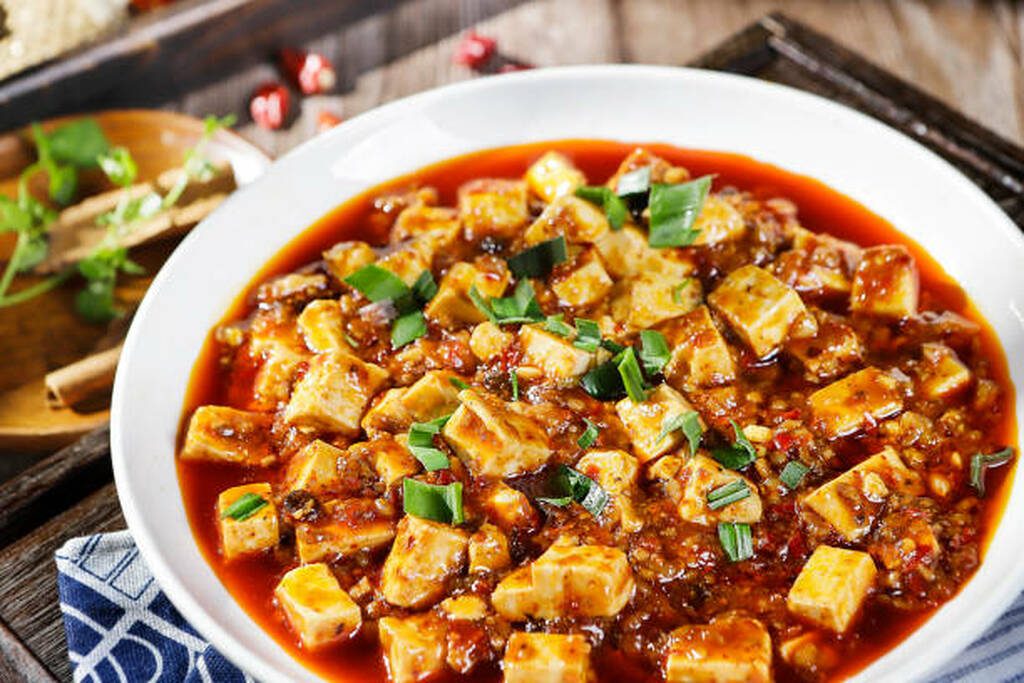
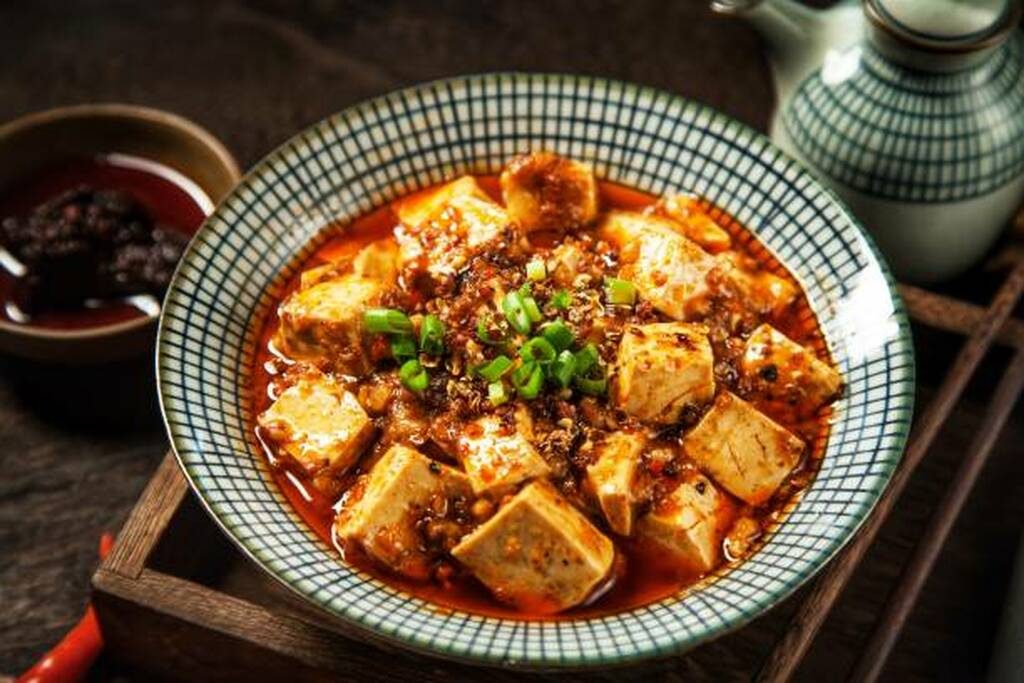
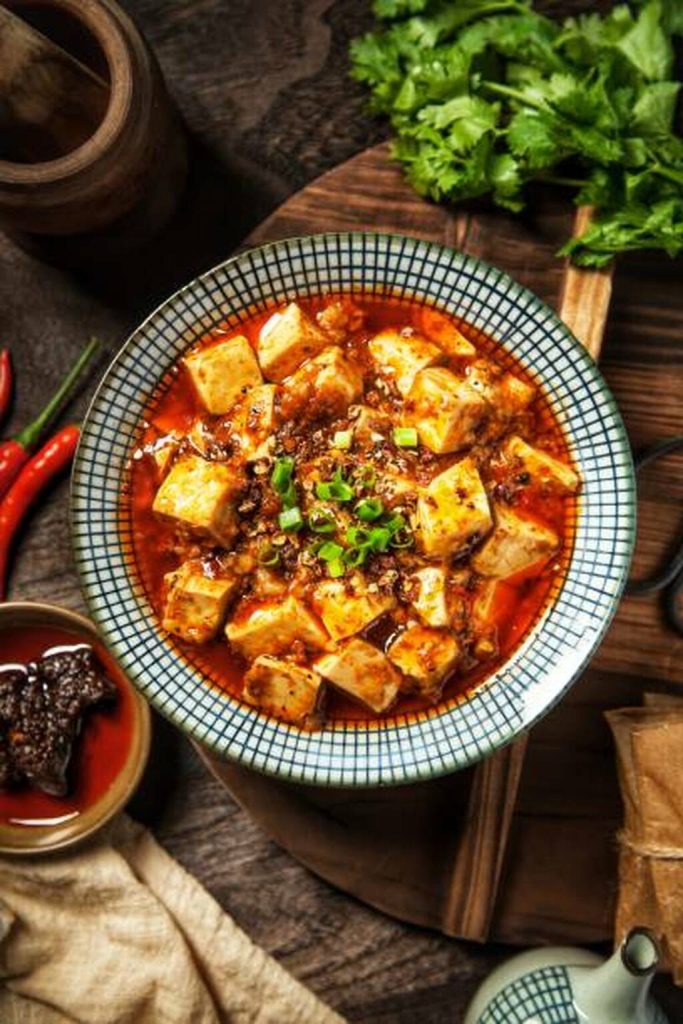
MaPo Tofu is the kind of dish that hits the table already crackling with energy—velvety cubes of tofu nestled in a deep red sauce, flecked with ground pork and perfumed with chilies and Sichuan peppercorns. Every bite is a contrast in textures and sensations: soft tofu, juicy meat, and a sauce that tingles, numbs, and comforts all at once.

Ingredient Breakdown
The foundation of this dish is silken tofu, which brings a delicate, custard-like texture. Its smooth surface and tender interior drink in the surrounding sauce, so every cube tastes richly seasoned rather than bland. Choosing tofu that holds its shape is crucial; silken or soft tofu works beautifully as long as it is handled gingerly when cutting and stirring, while still being soft enough to offer that characteristic wobble.
Ground pork supplies the savory backbone. As it browns in hot oil, it releases fat and develops caramelized edges, creating tiny, flavor-packed morsels that float through the sauce. A slightly fattier grind yields a richer, more luxurious mouthfeel, while leaner pork still works well if the sauce is properly emulsified and seasoned.
Heat and color are driven by a trio of chilies. Fresh Thai bird chilies contribute piercing, immediate heat and a fresh, green edge. Dried red chilies bring a deeper, roasted complexity and lend the oil its striking crimson hue as they gently toast. The chili-infused oil created at the start of the recipe becomes the aromatic engine for the entire dish, delivering both fragrance and a glossy finish that makes the tofu gleam.
Sichuan peppercorns add something that chilies alone cannot: a distinctive citrusy aroma and that signature tingling, numbing sensation known as “má.” Used in the right amount, they create a lively, buzzing heat that dances on the tongue instead of burning it outright. A smaller quantity keeps the effect subtle and floral, while a more generous spoonful amplifies the numbing, almost sparkling sensation across the palate.
Spicy bean sauce—often made from fermented broad beans and chilies—acts as the salty-umami backbone. It brings depth, savoriness, and a gentle fermented funk that ties everything together. The quantity needs to be tuned carefully; a little goes a long way, and adding more intensifies both the salt and spice, so it’s often better to start with less and adjust to taste.
Aromatics like finely minced ginger, garlic, and fresh scallion complete the flavor architecture. Ginger brings warmth and brightness at the base of the wok, garlic contributes that familiar savory punch, and scallions, added right at the end, offer a fresh, oniony lift that cuts through the richness of the sauce.
Supporting ingredients quietly ensure the dish feels cohesive. Low sodium chicken broth (or water) stretches the bean sauce into a proper gravy and carries all the seasonings around the tofu and pork. The cornstarch slurry thickens this liquid into a silky, clingy sauce that coats each piece without feeling heavy. A drizzle of sesame oil at the end layers in a gentle nuttiness, while just a pinch of sugar softens sharp edges from the chilies and fermented paste, rounding the flavor into something complex but harmonious.
Step-by-Step Preparation Guide
The cooking begins with toasting chilies and forming a simple but powerful chili oil. Over low heat, fresh Thai bird chilies and roughly chopped dried red chilies are introduced to warm oil and given time to quietly sputter and perfume the kitchen. Watching carefully is essential: the goal is for the chilies to deepen in color and become intensely fragrant, not to darken into a burnt, bitter state. Once the oil takes on a warm red hue and the aroma becomes robust, the pan is pulled from the heat and the mixture is set aside.
With the chili oil resting, attention moves to the aromatics. The remaining oil in the wok is heated over medium heat, and minced ginger is added first, allowed to sizzle gently until it softens and releases its spicy, citrusy fragrance. Garlic follows shortly after, joining the ginger in a soft, fragrant base. This stage is delicate; the ginger and garlic should look softened and slightly translucent, never browned, to avoid harsh, acrid notes.
When the aromatics smell inviting, the heat is turned up and ground pork is added. Spreading it out in a single layer ensures that it sears instead of steams. Using a spatula to break the pork into small crumbles helps expose more surface area to the heat, creating little golden nuggets. As the meat cooks through and turns lightly browned, it develops the savory, roasted flavors that carry through every bite of the finished dish.
Once the pork is cooked, ground Sichuan peppercorns are sprinkled over the hot meat and oil. This step is short but critical; stirring the peppercorns in for only 15 to 30 seconds is enough to awaken their fragrance and numbing qualities. Extending this step too long risks scorching the spices, which transforms that bright, citrusy buzz into an unpleasant bitterness, so it’s important to move quickly.
At this point, the spicy bean sauce is stirred into the pan, coating each piece of pork in a deep red paste. Chicken broth or water is then poured in, and the bottom of the wok is scraped to release any browned bits clinging to the surface. These caramelized fragments dissolve into the liquid, enriching the sauce. The mixture is brought to a gentle simmer to allow flavors from the bean paste, pork, chilies, and peppercorns to merge into a single, robust sauce.
While the sauce simmers, the cornstarch slurry is prepared by stirring cornstarch into cool water until completely smooth. This mixture is streamed into the bubbling sauce and stirred thoroughly. Almost immediately, the liquid begins to thicken, becoming glossy and slightly viscous. The ideal consistency allows the sauce to cling to the spoon and lightly coat the tofu without turning gummy. If it tightens too much, a small splash of broth or water loosens it back into a silky, pourable state.
The reserved chili oil, with its softened chilies, is then poured back into the wok. The crimson oil streaks through the sauce, deepening both color and aroma. If using a pre-salted homemade chili oil, only the clear oil is added to prevent oversalting. Once the heat and fragrance are balanced, the tofu cubes are gently slipped into the sauce. A spatula is used carefully—either nudging the tofu from beneath or spooning sauce over the top—to keep the cubes intact. A few minutes of gentle simmering allows the tofu to absorb the spicy, numbing flavors while warming through.
To finish, a drizzle of sesame oil and a pinch of sugar are stirred in for roundness and subtle sweetness. Finely chopped scallions are folded through just long enough to soften slightly, so they keep their bright green color and fresh bite. The MaPo Tofu is then transferred to a serving dish and garnished with a final dusting of ground Sichuan peppercorns, adding an aromatic, tingling flourish just before it’s carried to the table.
Recipe Tips
Controlling the spice and numbing level
Adjusting the heat is as simple as working with the chilies and Sichuan peppercorns. Fewer fresh Thai bird chilies and dried red chilies will yield a gentler burn, while reducing the ground Sichuan peppercorns tones down the buzzing, numbing sensation. The spicy bean sauce also contributes to heat and salt, so starting with the lower end of the suggested amount and tasting before adding more helps achieve a balanced, personalized level of intensity.
Choosing tofu and keeping it intact
Silken tofu gives the most luxurious texture but requires a light touch. Cutting it with a sharp knife into even cubes, using a wide spatula or spoon to move it, and stirring by nudging the sauce rather than aggressively turning the tofu keeps the cubes from disintegrating. For extra stability, the tofu can be briefly blanched in hot water before adding to the sauce, helping it firm up slightly while remaining tender.
Cookware choices: wok vs. skillet
A wok’s curved shape and concentrated heat make stir-frying, blooming spices, and simmering sauce very efficient, but a wide, heavy skillet can also produce excellent results. When using a skillet, avoid overcrowding the pan and make sure it is fully preheated before adding the pork so you still achieve good browning and evaporation.
Smart prep for faster cooking
This dish moves quickly once the heat is on, so having everything ready—chilies sliced, aromatics minced, tofu cubed, cornstarch slurry mixed—makes the process smooth. Prepping in small bowls and lining them up in order of use turns the cooking into a seamless, almost meditative sequence rather than a frantic scramble.
Scaling for different occasions
The recipe can be scaled down for a single serving by halving the tofu and pork while keeping the same technique. For gatherings, it can be doubled easily as long as the wok or skillet has enough surface area; if not, cooking the pork in batches helps preserve good browning. Taste the sauce after scaling to ensure the balance of salt, heat, and numbing remains on point.
Alternative proteins and vegetarian options
For those who prefer to skip pork, finely chopped mushrooms, plant-based mince, or even crumbled firm tofu can mimic the savory crumbles in the sauce. A splash of extra soy sauce or a touch of miso can deepen the umami in vegetarian versions, ensuring the dish remains satisfying and complex.
What to serve With this recipe
Steamed white rice is the most classic counterpart to MaPo Tofu. Its mild flavor and soft, fluffy texture temper the intensity of the sauce and provide a neutral canvas for all that heat and numbing complexity. A generous scoop of tofu and sauce over a bowl of rice makes each mouthful both comforting and exciting, and portioning roughly one cup of cooked rice per person usually provides a balanced ratio.
Light vegetable sides are ideal for cooling the palate between bites. Simple stir-fried greens—such as bok choy, Chinese broccoli, or spinach—seasoned with just garlic and a bit of salt offer a fresh, earthy contrast. A chilled cucumber salad with rice vinegar and a whisper of sesame oil works particularly well, providing crunch and a refreshing, crisp bite that cuts through the richness of the pork and tofu.
To build a more elaborate Chinese-inspired spread, MaPo Tofu can be paired with quick stir-fries and simple soups. A plate of stir-fried mushrooms or mixed vegetables, a delicate egg drop soup, or a tomato-and-egg stir-fry creates a table that feels abundant without becoming overly heavy. Including a mild, egg-based dish brings softness and comfort alongside the boldness of the MaPo Tofu.
Drinks can make the experience even more enjoyable. Hot jasmine or oolong tea cleanses the palate and helps balance the oiliness of the sauce. Light beer, sparkling water, or gentle non-alcoholic beverages with a bit of fizz complement the spicy, numbing profile without overwhelming it.
Leftovers are wonderfully versatile. The cooled, reheated MaPo Tofu can be spooned over noodles for a quick, satisfying bowl, or used as a topping for rice bowls with extra vegetables. It also works surprisingly well stuffed into soft steamed buns or wrapped in lettuce leaves, turning yesterday’s dinner into a fresh, playful lunch.
frequently Asked Questions
Can MaPo Tofu be made without pork?
Yes. Finely chopped mushrooms, plant-based mince, or crumbled firm tofu can step in for the pork. Searing them until they develop color intensifies their flavor, and adding a little extra spicy bean sauce or soy sauce restores the savory depth that pork normally provides.
How can the dish be less spicy but still flavorful?
Reducing the number of chilies and cutting back on ground Sichuan peppercorns immediately mellows the heat. Increasing the amount of broth slightly and adding a small pinch of sugar helps keep the sauce aromatic and complex. The ginger, garlic, and bean paste maintain plenty of flavor even at a lower spice level.
What if Sichuan peppercorns or spicy bean sauce aren’t available?
Without Sichuan peppercorns, the dish will lack the numbing sensation, but a small amount of freshly ground black pepper and a hint of lemon zest can echo some of the citrusy warmth. If spicy bean sauce is hard to find, a combination of chili paste and a little miso or fermented bean paste can stand in, though the flavor will be slightly different—still delicious, but less traditionally Sichuan.
Is it possible to use firm tofu instead of silken tofu?
Firm tofu works and is easier to handle, holding its shape even with more vigorous stirring. It won’t be as custardy as silken tofu, but it will soak up the sauce well. Increasing the simmering time by a minute or two helps firm tofu absorb more flavor, and pressing it lightly before cutting can improve texture.
How should MaPo Tofu be stored and reheated?
Once cooled, it can be stored in an airtight container in the refrigerator for up to two to three days. Reheating gently on the stovetop over low to medium heat with a small splash of water or broth prevents the sauce from becoming too thick and helps protect the tofu from breaking. Microwaving in short intervals with a cover also works if the dish is stirred carefully between bursts.
Why did the sauce become bitter or dull?
Bitterness often comes from chilies or Sichuan peppercorns that were toasted too long or at too high a heat. If the sauce is cooked down excessively, it can also taste heavy and flat. Keeping the chilies over low heat, blooming the peppercorns briefly, and avoiding aggressive reduction of the sauce preserves a bright, vibrant flavor. If bitterness does occur, a touch of sugar and a bit more broth can soften it, though prevention is always easier than repair.
Creative Variations
For a milder, family-style version, the chilies and Sichuan peppercorns can be reduced and the amount of broth slightly increased, yielding a softer, more sauce-forward dish. The tofu still bathes in a richly seasoned gravy, but the burn is gentler, making it more approachable for spice-sensitive eaters without sacrificing character.
Those who love intense heat can build an extra-spicy rendition by adding more fresh and dried chilies, as well as a bolder measure of Sichuan peppercorns. Balancing this amplified fire with a careful hand on the salt, a small amount of sugar, and a bit more broth keeps the dish exciting rather than overwhelming, turning each bite into an exhilarating, tingling experience.
A vegetable-loaded variation brings extra texture and color to the wok. Adding sliced bell peppers, mushrooms, or baby bok choy near the browning stage—or shortly after the sauce is formed—creates a more layered, substantial dish. These vegetables contribute sweetness, earthiness, and crunch, transforming MaPo Tofu into a one-pan meal that feels both hearty and vibrant.
The sauce also adapts beautifully to a noodle bowl format. Ladling MaPo Tofu over cooked wheat noodles or rice noodles turns it into a slurpable, satisfying dish, with the glossy sauce clinging to every strand. A handful of fresh herbs or extra scallions over the top adds brightness, making it a complete meal in one bowl.
For playful fusion twists, the tofu mixture can be used as a topping for baked potatoes, crisp fries, or grain bowls. The rich, spicy, numbing sauce contrasts wonderfully with starchy, neutral bases, creating inventive comfort food that still honors the essence of the original dish.
MaPo Tofu stands out as a bowl of comforting intensity: silky tofu, savory ground pork, and a deep, aromatic sauce woven with chilies, spicy bean paste, and Sichuan peppercorns. The interplay of soft textures, numbing heat, and glossy, umami-rich gravy makes it both cozy and thrilling.
With a few simple adjustments to spice level, choice of tofu, and preferred accompaniments, the dish can be tailored to almost any table. Whether served as a quick weeknight favorite over rice or as the centerpiece of a larger, shareable spread, it offers a rewarding balance of ease and complexity. Once the rhythm of the recipe is familiar, it becomes a reliable, satisfying staple to revisit whenever a craving for bold, comforting flavor appears.
Ingredients
8 ounces ground pork
1 pound silken tofu (cut into 1 inch/2.5cm cubes)
½ cup oil (divided)
3 tablespoons ginger (finely minced)
3 tablespoons garlic (finely minced)
1-2 fresh Thai bird chili peppers (thinly sliced)
6-8 dried red chilies (roughly chopped)
1/2-1 1/2 tablespoons Sichuan peppercorns (powdered or finely ground, reserving 1/4 teaspoon for garnish; for a milder flavor use 1/2 to 1 teaspoon)
1-2 tablespoons spicy bean sauce (adjust to taste for salt and heat)
2/3 cup low sodium chicken broth (or water)
1 1/2 teaspoons cornstarch
1/4 cup water
1/4 teaspoon sesame oil (optional)
1/4 teaspoon sugar (optional)
1 scallion (finely chopped)
Instructions
Begin by preparing the chili oil. Set a wok or small saucepan over low heat and pour in half of the oil. Add the sliced fresh Thai bird chilies and the chopped dried red chilies. Stir occasionally, allowing the peppers to slowly release their color and aroma, about 5 minutes. They should turn a deeper shade and smell fragrant but must not darken to the point of burning. Once the oil is infused and lightly tinted red, remove the pan from the heat and set the chili mixture aside.
Return the wok to the stove and add the remaining half of the oil over medium heat. Add the minced ginger and let it gently sizzle for about 1 minute to soften and perfume the oil. Stir in the minced garlic and cook for another minute until it becomes fragrant but not browned.
Increase the heat to high and add the ground pork. Use a spatula to break the meat into small crumbles, spreading it out so it sears rather than steams. Fry until the pork is no longer pink and some bits begin to turn lightly golden, developing a savory, roasted flavor.
Sprinkle in the ground Sichuan peppercorns, keeping back the reserved 1/4 teaspoon for later. Stir-fry for 15–30 seconds so the spice blooms in the hot oil, taking care not to let it scorch, which would make it taste bitter.
Add the spicy bean sauce to the wok and mix thoroughly so every piece of pork is coated in the deep red paste. Pour in the chicken broth (or water) and stir to combine, scraping up any flavorful bits stuck to the bottom of the wok. Bring the mixture to a gentle simmer and let it cook for about a minute to meld the flavors.
While the sauce is simmering, place the cornstarch in a small bowl and whisk it together with the 1/4 cup water until completely smooth with no lumps. This slurry will help thicken the sauce.
Stir the cornstarch mixture into the simmering sauce. Allow it to bubble for a short time until the liquid turns glossy and slightly thickened, coating the back of a spoon. If the sauce becomes too dense, add a small splash of extra broth or water to adjust it to a silky, pourable consistency.
Pour in the reserved chili oil along with the cooked chilies. If using a homemade chili oil that is already seasoned and salted, use only the clear surface oil so the dish does not become overly salty. Stir to evenly distribute the infused oil through the sauce.
Gently add the tofu cubes to the wok. Use your spatula to carefully lift and turn the tofu, or simply spoon the sauce over the cubes, taking care not to break them. Let the tofu simmer in the sauce over medium heat for 3–5 minutes so it warms through and absorbs the spicy, numbing flavors.
Finish by adding the sesame oil and sugar, if using, to round out the taste with a subtle nuttiness and a hint of sweetness. Sprinkle in the chopped scallion and fold it through the tofu just until the green pieces soften slightly.
Transfer the MaPo Tofu to a serving dish. Dust the top with the reserved 1/4 teaspoon of ground Sichuan peppercorn for a final aromatic, tingling kick, if desired, and serve hot with steamed rice.
MaPo Tofu Recipe
Ingredients
- 8 ounces ground pork
- 1 pound silken tofu cut into 1 inch/2.5cm cubes
- ½ cup oil divided
- 3 tablespoons ginger finely minced
- 3 tablespoons garlic finely minced
- 1-2 fresh Thai bird chili peppers thinly sliced
- 6-8 dried red chilies roughly chopped
- 1/2-1 1/2 tablespoons Sichuan peppercorns powdered or finely ground, reserving 1/4 teaspoon for garnish; for a milder flavor use 1/2 to 1 teaspoon
- 1-2 tablespoons spicy bean sauce adjust to taste for salt and heat
- 2/3 cup low sodium chicken broth or water
- 1 1/2 teaspoons cornstarch
- 1/4 cup water
- 1/4 teaspoon sesame oil optional
- 1/4 teaspoon sugar optional
- 1 scallion finely chopped
Instructions
- Begin by preparing the chili oil. Set a wok or small saucepan over low heat and pour in half of the oil. Add the sliced fresh Thai bird chilies and the chopped dried red chilies. Stir occasionally, allowing the peppers to slowly release their color and aroma, about 5 minutes. They should turn a deeper shade and smell fragrant but must not darken to the point of burning. Once the oil is infused and lightly tinted red, remove the pan from the heat and set the chili mixture aside.
- Return the wok to the stove and add the remaining half of the oil over medium heat. Add the minced ginger and let it gently sizzle for about 1 minute to soften and perfume the oil. Stir in the minced garlic and cook for another minute until it becomes fragrant but not browned.
- Increase the heat to high and add the ground pork. Use a spatula to break the meat into small crumbles, spreading it out so it sears rather than steams. Fry until the pork is no longer pink and some bits begin to turn lightly golden, developing a savory, roasted flavor.
- Sprinkle in the ground Sichuan peppercorns, keeping back the reserved 1/4 teaspoon for later. Stir-fry for 15–30 seconds so the spice blooms in the hot oil, taking care not to let it scorch, which would make it taste bitter.
- Add the spicy bean sauce to the wok and mix thoroughly so every piece of pork is coated in the deep red paste. Pour in the chicken broth (or water) and stir to combine, scraping up any flavorful bits stuck to the bottom of the wok. Bring the mixture to a gentle simmer and let it cook for about a minute to meld the flavors.
- While the sauce is simmering, place the cornstarch in a small bowl and whisk it together with the 1/4 cup water until completely smooth with no lumps. This slurry will help thicken the sauce.
- Stir the cornstarch mixture into the simmering sauce. Allow it to bubble for a short time until the liquid turns glossy and slightly thickened, coating the back of a spoon. If the sauce becomes too dense, add a small splash of extra broth or water to adjust it to a silky, pourable consistency.
- Pour in the reserved chili oil along with the cooked chilies. If using a homemade chili oil that is already seasoned and salted, use only the clear surface oil so the dish does not become overly salty. Stir to evenly distribute the infused oil through the sauce.
- Gently add the tofu cubes to the wok. Use your spatula to carefully lift and turn the tofu, or simply spoon the sauce over the cubes, taking care not to break them. Let the tofu simmer in the sauce over medium heat for 3–5 minutes so it warms through and absorbs the spicy, numbing flavors.
- Finish by adding the sesame oil and sugar, if using, to round out the taste with a subtle nuttiness and a hint of sweetness. Sprinkle in the chopped scallion and fold it through the tofu just until the green pieces soften slightly.
- Transfer the MaPo Tofu to a serving dish. Dust the top with the reserved 1/4 teaspoon of ground Sichuan peppercorn for a final aromatic, tingling kick, if desired, and serve hot with steamed rice.