
Bouillabaisse Soup Recipe
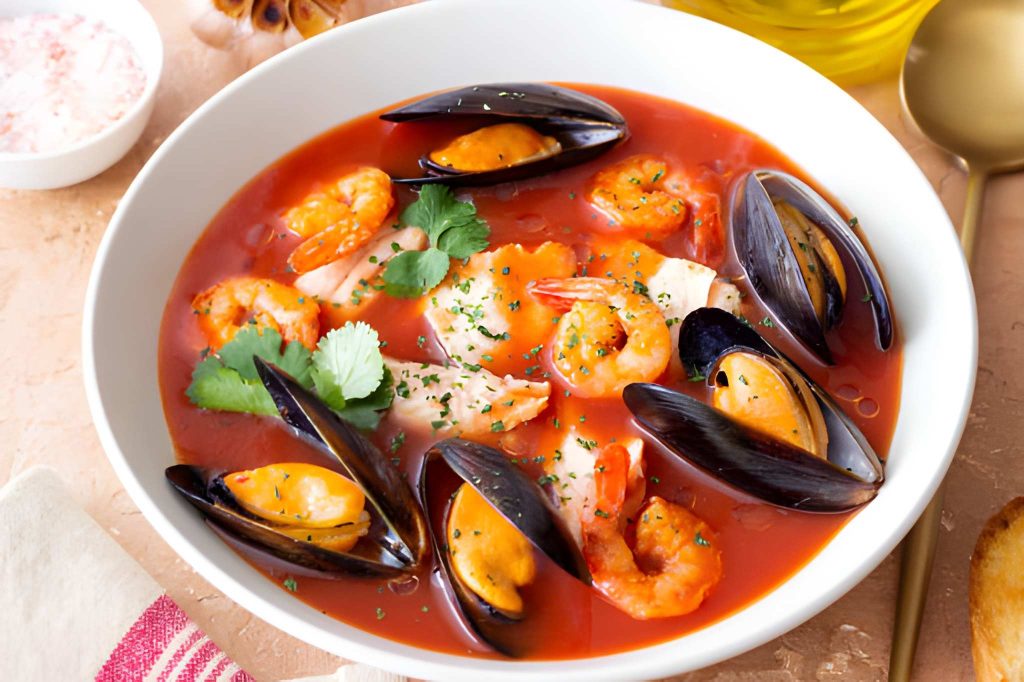
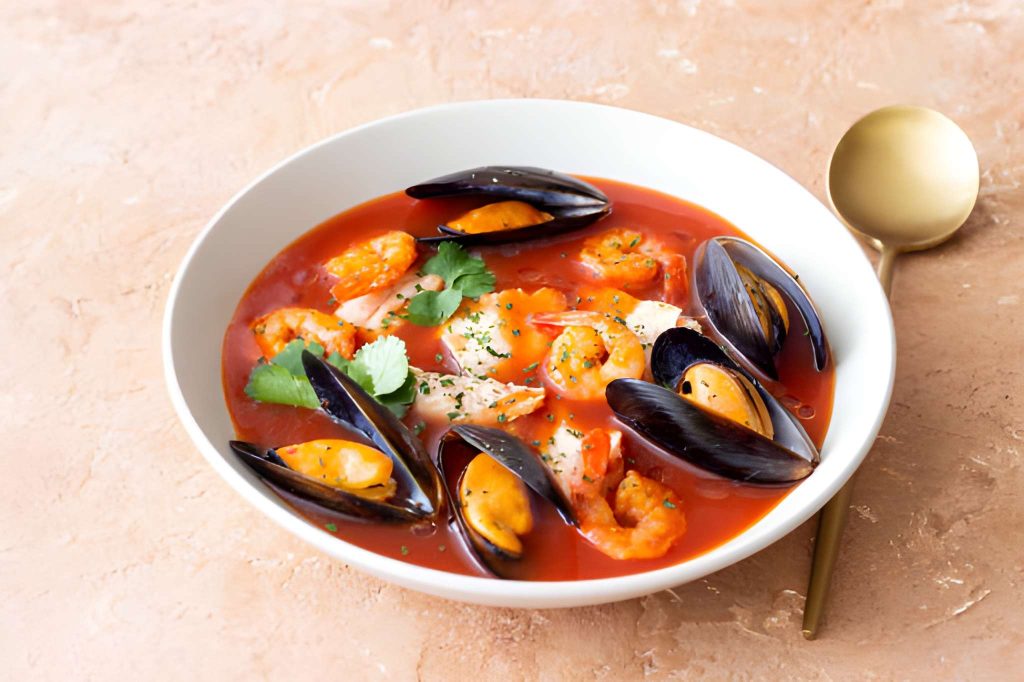
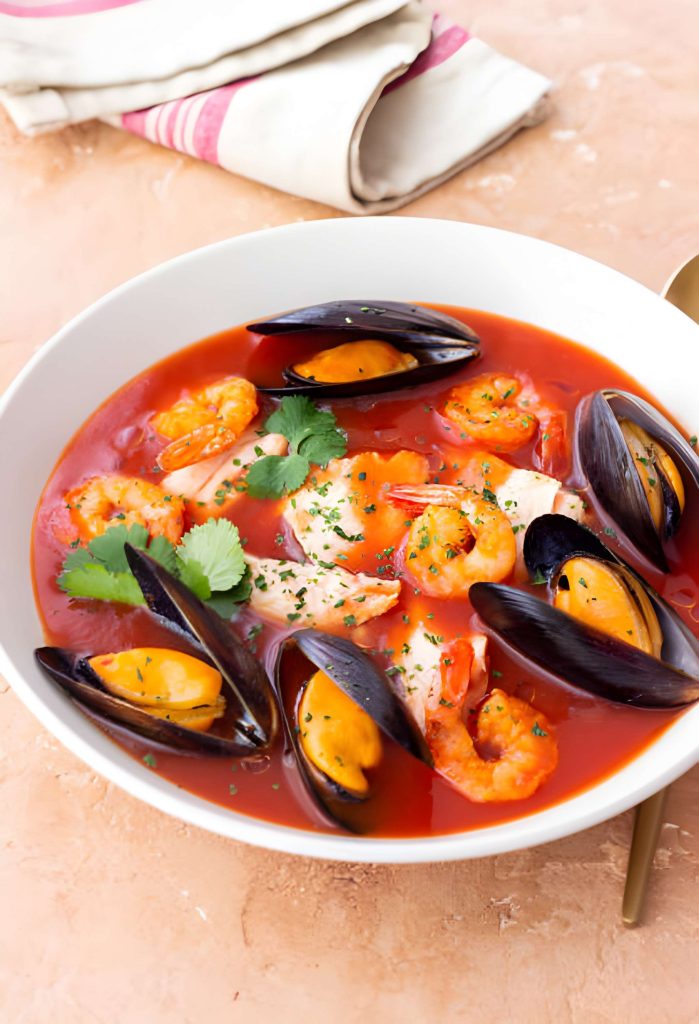
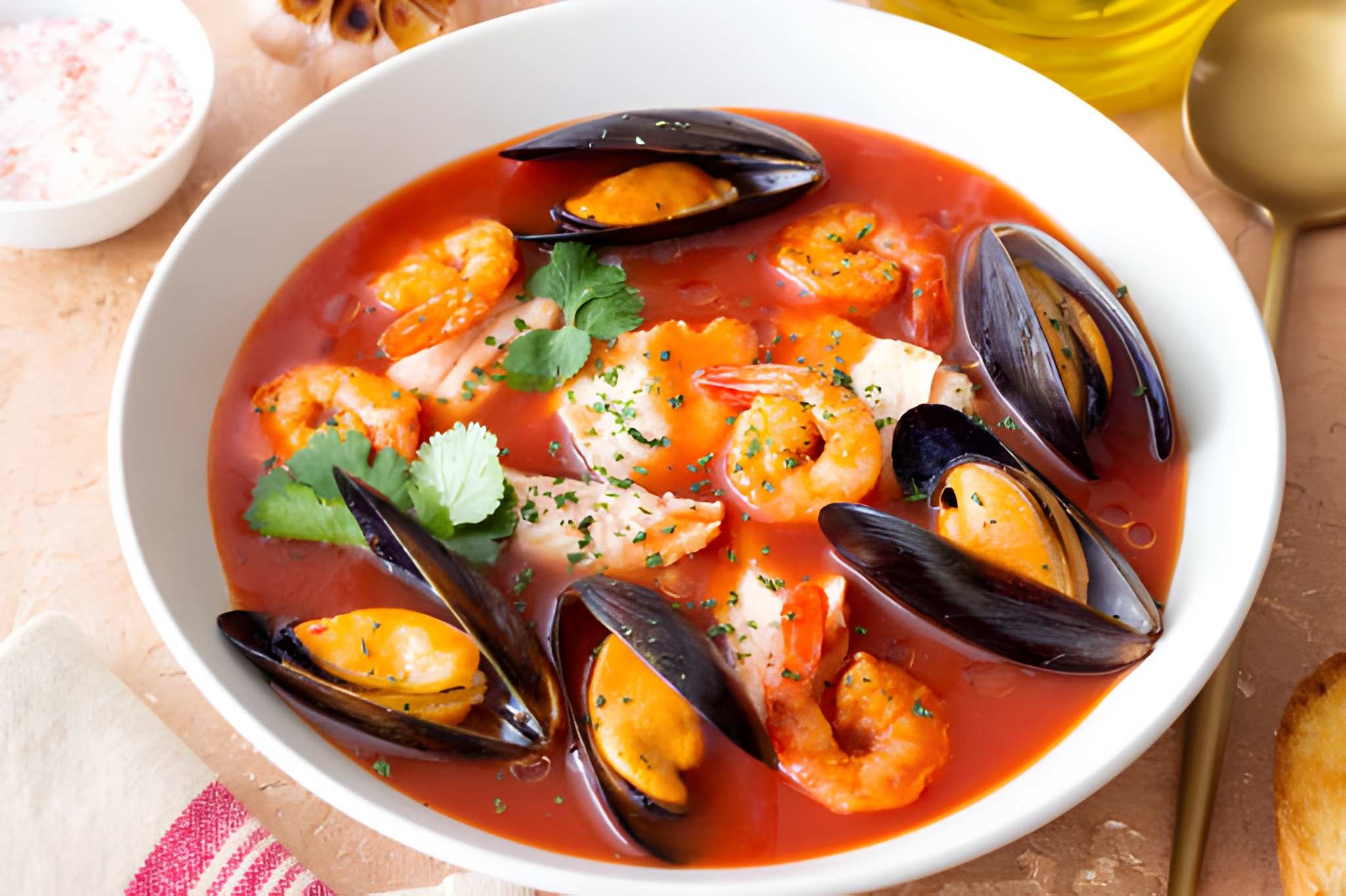
Bouillabaisse is the kind of coastal-style seafood soup that perfumes the whole kitchen long before it reaches the table. A saffron-scented broth forms the base, cradling tender chunks of white fish, briny mussels or clams, and sweet shrimp in a single, generous bowl. Every spoonful feels layered—aromatic, oceanic, and deeply comforting.

Ingredient Breakdown
The backbone of this soup is the thoughtful choice of seafood. Fish heads, bones, and shrimp shells might not seem glamorous, but they are the secret to a broth with real depth. As they simmer gently, they release collagen and rich marine flavor that no store-bought stock can replicate. To that powerful base, pieces of flaky white fish like cod or halibut are added, bringing tender texture that breaks apart delicately in the bowl. Mussels or clams contribute their signature briny juices as they open, enriching the broth and adding variety to every bite. Peeled shrimp add sweetness and a pleasantly firm bite, turning the soup into a complete, satisfying meal.
Supporting this cast is a classic aromatic base. Onion and leek are cooked slowly in olive oil until soft and translucent, laying down a mellow, savory foundation. Garlic joins just long enough to release its fragrance without burning, while tomatoes add gentle acidity and body. Fresh herb sprigs—thyme, parsley, fennel fronds, basil—steep in the broth, weaving in layers of herbal complexity that echo the flavors of the sea rather than competing with them.
Small additions make a striking difference. Saffron threads bring a golden hue and a subtle, honeyed warmth that elevates the broth from simple fish soup to something more refined. A strip of fresh orange peel, if you choose to add it, contributes a whisper of citrus perfume that brightens the entire pot without turning the soup fruity. These details are quiet but unmistakable when you taste the finished dish.
Olive oil and seasoning unify everything. A good extra-virgin olive oil adds roundness and a gentle fruitiness right from the start as the aromatics soften. Sea salt seasons both the broth and seafood, while a final touch of freshly ground black pepper sharpens the flavor just before serving. Used thoughtfully, these simple elements ensure the soup tastes vibrant, not flat.
Then there is the rouille—more than just a garnish. Roasted red peppers, cayenne, breadcrumbs or ground almonds, fresh parsley, garlic, lemon juice, and olive oil are blended into a velvety paste. It’s silky, punchy, and full of character. A spoonful stirred into the soup or spread on toasted bread adds heat, brightness, and richness, making each bite feel complete.
Step-by-Step Cooking Guide
Everything starts with building the broth. In a tall stockpot, onion and leek are sweated slowly in olive oil until they soften and grow translucent, releasing their sweetness without taking on color. Garlic is added briefly to bloom its aroma, forming a fragrant base. Tomatoes go in next, along with water, herb sprigs, saffron, sea salt, orange peel if you’re using it, and the fish heads, bones, and shrimp shells. As the pot comes up to a gentle simmer, the surface should barely ripple; this slow bubbling coaxes flavor out of the shells and aromatics without making the broth cloudy or harsh.
After about thirty minutes, the broth has concentrated into a rich, complex stock. It’s time to strain and clarify. Pour the contents through a fine mesh sieve into a clean pot or large bowl, pressing firmly on the solids to extract every drop of liquid. What you keep is a clear, aromatic broth that still carries all the character of the shells, herbs, and vegetables, but none of the clutter. The solids have given everything they can and can be discarded.
With the broth back in the cleaned stockpot and brought to a boil, it’s ready to receive the seafood. Shrimp go in first because they cook quickly and provide an early burst of sweetness. They need only a minute or two, just until they turn opaque and pink. The remaining fish and shellfish follow: large chunks of white fish, then mussels or clams. Once the pot is covered, everything simmers gently until the shells open and the fish is just cooked through. This stage is brief, but crucial; too long and the seafood becomes dry or rubbery, just enough time and the textures stay tender and luscious.
Before ladling the soup into bowls, seasoning is adjusted. A taste of the broth will tell you what it needs—a pinch more sea salt, perhaps, or a grind of black pepper to emphasize the natural sweetness of the seafood. This final adjustment ensures that every element feels balanced, from the saffron warmth to the subtle citrus notes and oceanic depth.
Meanwhile, the rouille comes together. Roasted red peppers, cayenne, lemon juice, garlic, breadcrumbs or almonds, parsley, and salt are blended until perfectly smooth and cohesive. As olive oil is streamed in, the mixture transforms into a thick, creamy paste with a vivid color and bold yet balanced flavor. It’s rich without being heavy, spicy without being overwhelming.
Assembling the dish for the table is straightforward but satisfying. Crusty bread slices are toasted until golden and crisp, then brushed lightly with olive oil to add sheen and flavor. Warm bowls are filled with steaming bouillabaisse—broth, fish, shrimp, and shellfish—then served alongside the toast and a generous spoonful of rouille. Guests can dip the bread into the soup, smear it with rouille, or stir a little of the paste directly into their bowls to customize the heat and richness to their liking.
Recipe Tips
Choosing the best seafood:
Look for fish with bright, clear eyes, firm flesh, and a clean, ocean-like scent. Any mild, flaky white fish such as cod, halibut, or pollock works beautifully. When visiting your fishmonger, ask specifically for fish heads, bones, and shrimp shells to build the broth—they’re often inexpensive and add immense flavor.
Handling saffron and aromatics:
Crush saffron threads lightly between your fingers or in a small mortar before adding them to the pot to release more color and aroma. Use herb sprigs with a light hand; you want their presence to be supportive rather than dominating. It’s better to build flavor gradually than to overwhelm the broth.
Timing the seafood:
Add each type of seafood according to its cooking time. Shrimp and delicate white fish cook quickly; mussels and clams are done as soon as their shells open. Remove the pot from heat as soon as everything is just cooked through to avoid rubbery shrimp or tough fish.
Broth consistency and intensity:
If you prefer a more concentrated broth, allow it to simmer a few extra minutes before straining so some of the liquid reduces. For a lighter soup, you can add a small splash of hot water after straining if the flavor feels too intense. Adjust gently and taste often.
Make-ahead and storage strategies:
The broth is an ideal candidate for making ahead. Prepare it, strain it, then cool it quickly and refrigerate up to a day in advance. When you’re ready to serve, bring the broth back to a simmer, add the seafood, and cook it fresh. This approach preserves the perfect texture of the fish and shellfish while making entertaining easier.
What to serve With this recipe
The most classic companion to bouillabaisse is good crusty baguette. Sliced, toasted, and brushed with olive oil, it becomes the perfect vehicle for soaking up every last drop of saffron-infused broth. Spread with a smear of rouille, each bite has crunch, richness, spice, and the gentle tang of lemon.
To round out the meal, simple sides work best. A lightly dressed green salad—perhaps with a lemony vinaigrette—offers a refreshing contrast to the complexity of the soup. Roasted vegetables such as fennel, carrots, or baby potatoes echo the rustic, coastal feel. A small dish of marinated olives on the table adds another salty, savory note that pairs nicely with the briny shellfish.
For a more robust main course, the soup can be served over cooked vermicelli, orzo, or another small pasta shape. The noodles or pasta sink into the bowl, catching bits of fish and shellfish and turning the bouillabaisse into a truly substantial one-bowl meal.
Thoughtful beverage pairings complete the experience. A crisp, mineral-driven white wine—such as a dry Riesling, Sauvignon Blanc, or a Provençal-style rosé—mirrors the brightness and salinity of the soup without overpowering the delicate seafood. Sparkling water with a slice of lemon or orange is a lovely non-alcoholic option that ties in with the citrus notes from the broth and keeps the palate refreshed.
frequently Asked Questions
How far in advance can the broth be made, and how should it be stored?
The broth can be prepared up to a day ahead. Once it has finished simmering and been strained, cool it quickly, then refrigerate it in a covered container. When ready to use, bring it back to a gentle simmer before adding the seafood, ensuring the broth is hot but not boiling vigorously.
Can different fish or shellfish be used, and how flexible is the recipe?
Yes. The recipe is quite adaptable. You can swap in other firm white fish or add different shellfish such as scallops or crab, depending on what is fresh and available. Herbs can also be adjusted—more fennel fronds for a subtle anise note, or extra parsley for freshness. Rouille spice levels can be increased or toned down by adjusting the cayenne.
What if saffron or orange peel is unavailable—are they essential?
Saffron and orange peel add unique character but the soup will still be delicious without them. If you don’t have saffron, you can focus on building extra flavor from the shells, herbs, and tomatoes. If orange peel is unavailable, simply omit it or use a tiny splash of orange or lemon zest at the end to recapture a hint of citrus brightness.
How should leftovers be stored and reheated without overcooking the seafood?
Store any remaining soup in an airtight container in the refrigerator and enjoy within a day or two. When reheating, use low heat on the stove and bring the soup just to the point of steaming, not boiling. This gentle approach helps keep the seafood tender. If possible, remove any shellfish from their shells before storing to make reheating and serving easier.
Layering aromatics, a robust shell-based broth, and carefully timed seafood results in a bouillabaisse that is both deeply flavorful and surprisingly approachable. The saffron-golden broth, the interplay of tender fish and briny shellfish, and the contrasting richness of rouille and toasted bread all work together in one elegant bowl.
This recipe serves as a flexible blueprint rather than a rigid script. With the core technique in place, it becomes simple to experiment with different fish, herbs, and accompaniments until the soup reflects your own taste and the catch of the day. Whether it’s the highlight of a special dinner or the centerpiece of a relaxed weekend meal, bouillabaisse brings the feeling of a coastal restaurant right to the home table.
Ingredients
1 pound (450 g) mussels or clams, scrubbed and mussels debearded
3-4 pounds (2 kg) fish heads, bones, trimmings, shrimp shells
1 pound (450 g) peeled shrimp (save the shells for the stock)
1 pound (450 g) cod, halibut or other flaky white fish, cut into large chunks
2 ½ quarts (2.5 l) water
½ cup (118 ml) extra-virgin olive oil
1 cup (150 g) chopped onion
1 cup (89 g) chopped leek
4 cloves smashed garlic
2 or 3 large, ripe tomatoes, chopped or 2 cups canned chopped tomatoes
Fresh herb sprigs: thyme, parsley, fennel fronds and basil (in any combination)
1 2-inch wide strip of fresh orange peel (optional)
½ teaspoon crumbled saffron
1 tablespoon sea salt
Crusty bread, sliced, for serving
Rouille
⅓ cup (75 ml) extra-virgin olive oil
2 roasted and peeled red bell peppers, (jarred peppers are fine)
¼ cup (28 g) fresh breadcrumbs, or ground almonds
¼ cup (15 g) fresh parsley leaves
½ teaspoon ground cayenne pepper, or more to taste
1 peeled garlic clove
1 tablespoon fresh lemon juice
Fine sea salt, about 1/2 teaspoon or to taste
Instructions
For the broth:
Begin by preparing a deeply flavored seafood broth enriched with shells and trimmings. In a tall pot, such as an 8-quart stockpot, warm the olive oil over medium heat. Add the chopped onion and leek and cook slowly, stirring occasionally, until they soften and become translucent without browning. Stir in the smashed garlic and cook just until fragrant, about a minute. Add the tomatoes, water, herb sprigs, orange peel if using, saffron, sea salt, and the fish heads, bones, and shrimp shells. Bring the mixture up to a gentle simmer, then lower the heat so the surface bubbles lazily rather than boiling vigorously.
Let the broth cook for about 30 minutes so the flavors can fully develop and the aromatics soften. When the time is up, strain the broth through a fine mesh sieve into a large bowl or clean pot, pressing on the solids to extract as much liquid as possible. Discard the solids, keeping only the clear, fragrant broth.
Return the strained broth to the stockpot and bring it back to a boil. Add the peeled shrimp and cook just until they turn opaque and pink, 1 to 2 minutes. Add the remaining fish and shellfish—chunks of white fish along with the mussels or clams—then cover the pot and let everything simmer gently until the shellfish open and the fish is just cooked through. This will only take a few minutes. Taste the soup and adjust the seasoning with additional salt and freshly ground black pepper if needed.
Make the rouille:
In a food processor, combine the roasted red bell peppers, cayenne, lemon juice, garlic, breadcrumbs or ground almonds, parsley, and a pinch of salt. Process until the mixture is smooth and cohesive. With the motor running, slowly stream in the olive oil, blending until a thick, creamy paste forms.
Toast the crusty bread slices until golden and crisp, then lightly brush them with olive oil. Ladle the hot bouillabaisse into warm bowls and serve with the toasted bread and a generous spoonful of rouille on the side or spread on the bread.
Bouillabaisse Soup Recipe
Ingredients
- 1 pound 450 g mussels or clams, scrubbed and mussels debearded
- 3-4 pounds 2 kg fish heads, bones, trimmings, shrimp shells
- 1 pound 450 g peeled shrimp (save the shells for the stock)
- 1 pound 450 g cod, halibut or other flaky white fish, cut into large chunks
- 2 ½ quarts 2.5 l water
- ½ cup 118 ml extra-virgin olive oil
- 1 cup 150 g chopped onion
- 1 cup 89 g chopped leek
- 4 cloves smashed garlic
- 2 or 3 large ripe tomatoes, chopped or 2 cups canned chopped tomatoes
- Fresh herb sprigs: thyme parsley, fennel fronds and basil (in any combination)
- 1 2- inch wide strip of fresh orange peel optional
- ½ teaspoon crumbled saffron
- 1 tablespoon sea salt
- Crusty bread sliced, for serving
Rouille
- ⅓ cup 75 ml extra-virgin olive oil
- 2 roasted and peeled red bell peppers (jarred peppers are fine)
- ¼ cup 28 g fresh breadcrumbs, or ground almonds
- ¼ cup 15 g fresh parsley leaves
- ½ teaspoon ground cayenne pepper or more to taste
- 1 peeled garlic clove
- 1 tablespoon fresh lemon juice
- Fine sea salt about 1/2 teaspoon or to taste
Instructions
For the broth:
- Begin by preparing a deeply flavored seafood broth enriched with shells and trimmings. In a tall pot, such as an 8-quart stockpot, warm the olive oil over medium heat. Add the chopped onion and leek and cook slowly, stirring occasionally, until they soften and become translucent without browning. Stir in the smashed garlic and cook just until fragrant, about a minute. Add the tomatoes, water, herb sprigs, orange peel if using, saffron, sea salt, and the fish heads, bones, and shrimp shells. Bring the mixture up to a gentle simmer, then lower the heat so the surface bubbles lazily rather than boiling vigorously.
- Let the broth cook for about 30 minutes so the flavors can fully develop and the aromatics soften. When the time is up, strain the broth through a fine mesh sieve into a large bowl or clean pot, pressing on the solids to extract as much liquid as possible. Discard the solids, keeping only the clear, fragrant broth.
- Return the strained broth to the stockpot and bring it back to a boil. Add the peeled shrimp and cook just until they turn opaque and pink, 1 to 2 minutes. Add the remaining fish and shellfish—chunks of white fish along with the mussels or clams—then cover the pot and let everything simmer gently until the shellfish open and the fish is just cooked through. This will only take a few minutes. Taste the soup and adjust the seasoning with additional salt and freshly ground black pepper if needed.
Make the rouille:
- In a food processor, combine the roasted red bell peppers, cayenne, lemon juice, garlic, breadcrumbs or ground almonds, parsley, and a pinch of salt. Process until the mixture is smooth and cohesive. With the motor running, slowly stream in the olive oil, blending until a thick, creamy paste forms.
- Toast the crusty bread slices until golden and crisp, then lightly brush them with olive oil. Ladle the hot bouillabaisse into warm bowls and serve with the toasted bread and a generous spoonful of rouille on the side or spread on the bread.