
Nastar Cake Recipe
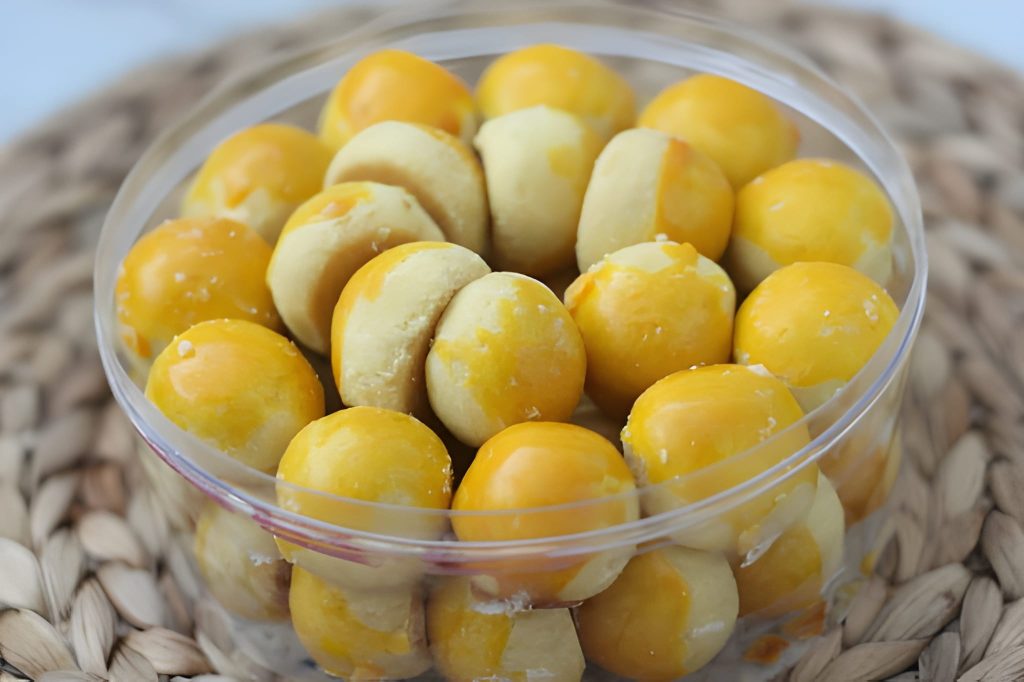
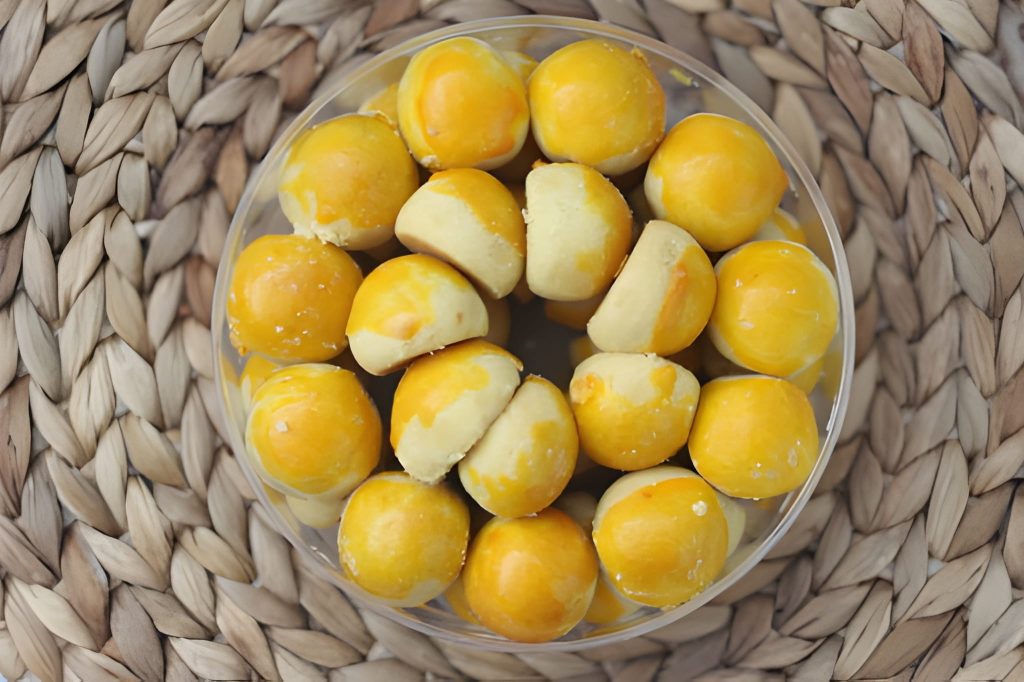
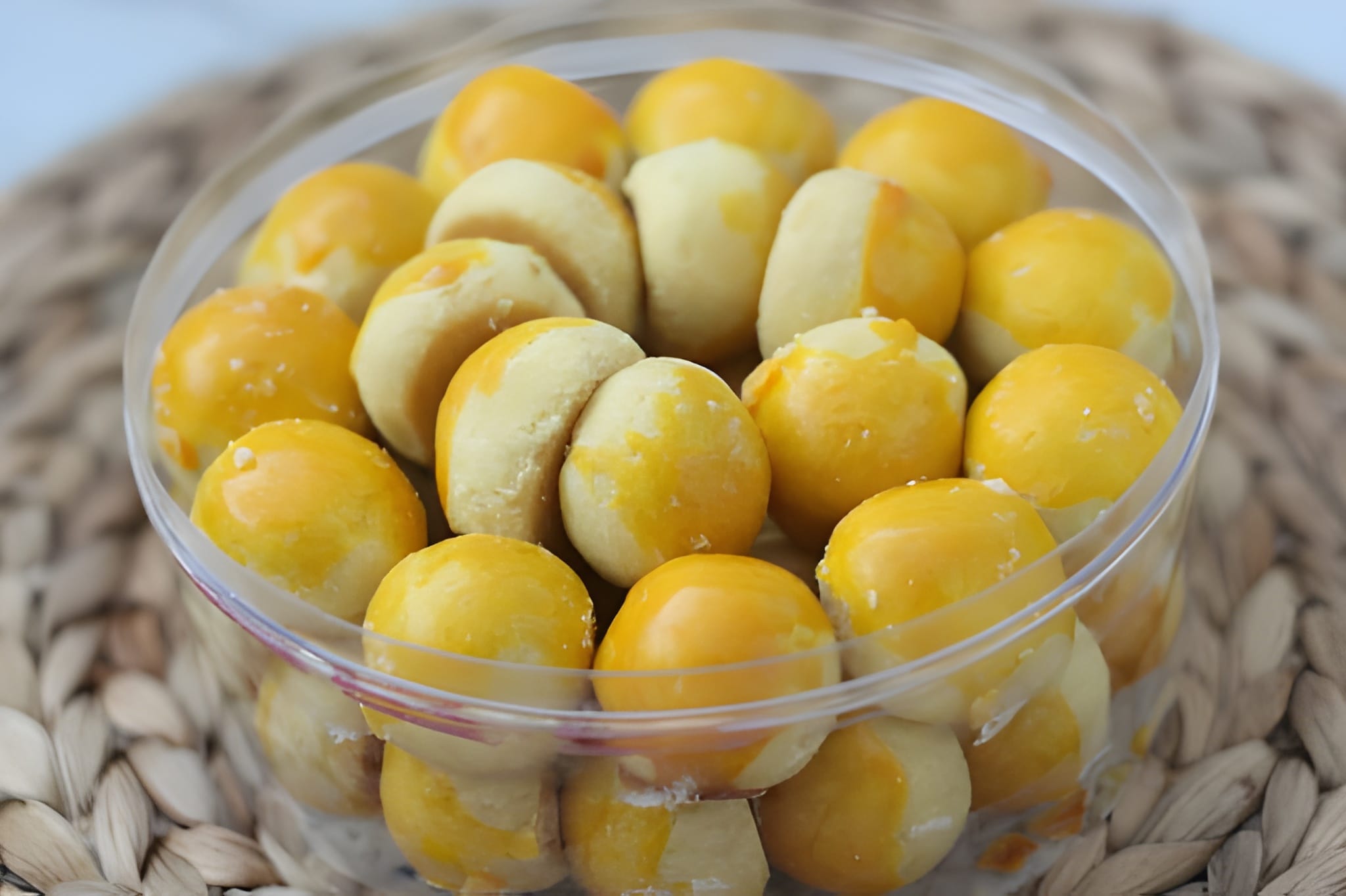
Nastar Cake is the embodiment of buttery perfection, where each golden tart holds a burst of sweet-tart pineapple jam inside a melt-in-the-mouth pastry shell. The aroma of freshly baked butter mingled with tropical fruit fills the kitchen with warmth and nostalgia. With its tender crumb and glossy finish, this timeless treat feels just as at home on a festive table as it does beside an afternoon cup of tea. Each bite offers a balance of richness, sweetness, and subtle tang — a true taste of comfort and celebration.

Ingredient Breakdown
The buttery base is what defines the essence of a great Nastar Cake. Using a premium European-style butter, such as Wijsman, lends a luxurious richness that standard butter can’t replicate. The blend of cake flour, cornstarch, and milk powder creates a crumbly yet soft texture that simply melts upon contact with your tongue. A touch of salt enhances the buttery flavor, while the optional addition of shredded Parmesan or Gouda adds a delightful depth and savory undertone.
At the heart of every Nastar Cake is the pineapple jam filling — vibrant, fragrant, and slightly tangy. This tropical center cuts through the richness of the pastry, balancing the sweetness with its fruity brightness. Rolling the jam into small, uniform balls before assembling ensures even baking and neat presentation, giving every tart an identical, perfectly filled center.
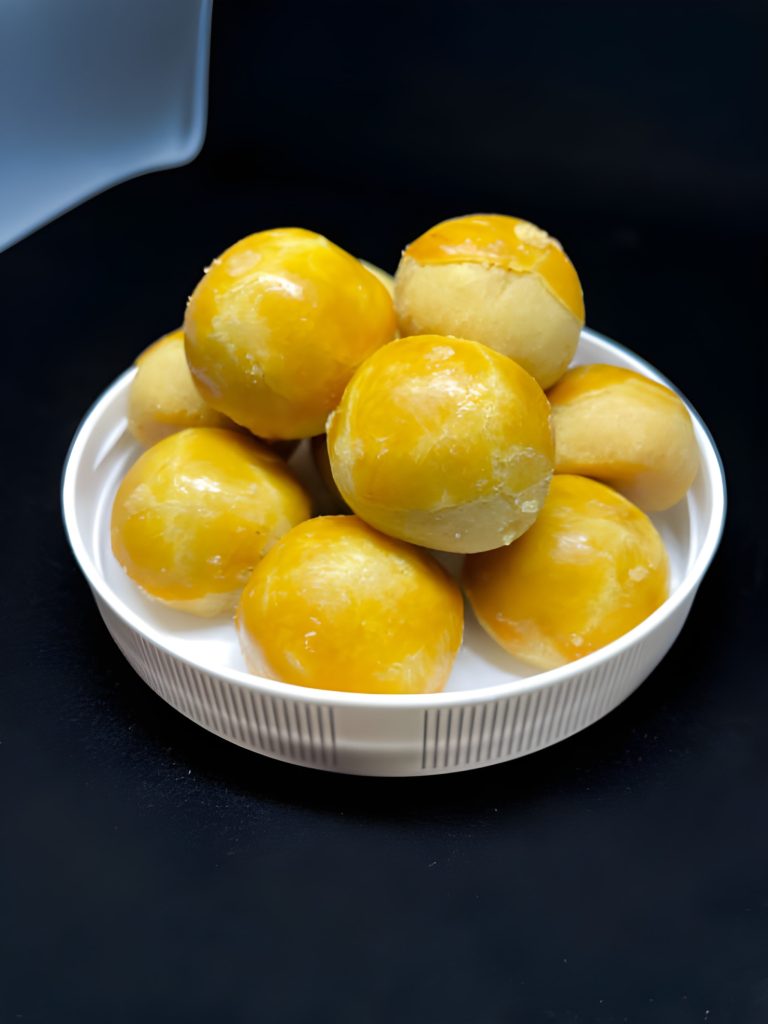
The golden egg wash finish is what transforms these humble pastries into something truly elegant. A combination of egg yolk, neutral oil, and a hint of vanilla creates a smooth glaze that gives the tarts their distinctive sheen. The dual brushing technique during baking not only deepens the color but also imparts a delicate fragrance that complements the buttery crust.
Step-by-Step Preparation Guide
Preparing the pineapple filling begins with precision. Rolling the jam into 6-gram balls helps maintain consistency across each tart, ensuring uniform baking and perfect portions of sweetness in every bite. Keeping these jam balls chilled prevents them from softening too much when wrapped, making the shaping process effortless.
Mixing and chilling the dough requires patience and a gentle touch. The butter should be softened — not melted — to blend seamlessly with icing sugar and egg yolk. Overmixing can cause excess aeration, leading to fragile tarts. Once combined with the dry ingredients, the dough should appear slightly crumbly yet moist enough to come together. A brief 15-minute chill firms it just enough to handle without losing pliability.
Shaping the tarts is both methodical and satisfying. Each piece of dough, precisely 10 grams, is rolled into a smooth ball, flattened, and filled with a pineapple jam center before being sealed and rounded again. The key to perfection lies in uniform size — even tarts bake evenly and achieve consistent color and texture. Seam sides are placed down to maintain a smooth, professional appearance once baked.
Baking and glazing for perfection begins with a low, steady heat that allows the pastry to cook evenly without cracking. After the first bake, the tarts remain pale and soft — this is intentional. A double coating of egg wash gives them that signature golden glow and velvety surface. The second round of baking transforms them into perfectly bronzed morsels with a crisp yet tender exterior.
Cooling and storage play a vital role in achieving the best texture. Once out of the oven, the tarts must rest briefly before transferring to a wire rack. Though tempting to enjoy immediately, their flavor develops and softens overnight. Stored properly in an airtight container, they maintain their texture for weeks, and when frozen, they revive beautifully once thawed at room temperature.
Recipe Tips
Use softened, not melted, butter to achieve a smooth, tender crumb without greasiness.
Avoid overmixing the dough to prevent dryness or crumbliness after baking.
Bake at moderate temperatures to ensure an even golden hue without over-browning.
Seal the filling securely by pinching the dough edges tightly to avoid leakage during baking.
Store and freeze correctly in airtight containers to preserve their delicate texture and buttery flavor.
What to Serve With This Recipe
Nastar Cake pairs beautifully with warm or chilled beverages. The buttery pastry complements the robustness of black tea, the bitterness of espresso, or the spice of chai. For a festive dessert platter, serve them alongside buttery cookies or almond biscotti for a variety of textures. A light touch of tropical flair can be added with fresh fruit slices — mango, kiwi, or orange segments work wonderfully. For an elegant finish, a dollop of whipped cream or a drizzle of condensed milk adds an extra layer of luxury to every bite.
Creative Variations
For a cheese-infused delight, add a handful of grated Parmesan or Gouda into the dough to introduce a savory complexity that balances the sweetness of the filling. To bring a tropical twist, mix desiccated coconut into the pineapple jam — the combination of coconut and pineapple adds warmth and aroma. Turn them into mini Nastar bites for easy sharing during holidays or gatherings; their small size makes them ideal for gifting. For an extra decadent version, a drizzle of melted dark chocolate across the top once cooled offers a contrast of flavors that both looks stunning and tastes divine.
Frequently Asked Questions
Can I use store-bought pineapple jam instead of homemade?
Yes, but ensure it’s thick and not overly moist, as too much liquid can make the pastry soggy.
Why does my dough crack when wrapping the filling?
The dough may be too cold or too dry — let it rest briefly at room temperature before shaping.
How can I keep the tarts from spreading during baking?
Chill the shaped dough before baking, especially in warmer climates, to maintain their structure.
Is it possible to make the dough ahead of time?
Yes. Prepare the dough and refrigerate it for up to 24 hours before shaping. Allow it to soften slightly before use.
How long can I store Nastar Cake before it loses freshness?
Stored in an airtight container, they stay delicious for up to three weeks at room temperature or a month when frozen.
Nastar Cake is a masterpiece of texture and flavor — buttery, fragrant, and filled with luscious pineapple jam that melts into the pastry. Each bite captures the balance of sweet and tangy, rich and delicate. Whether shared during festive gatherings or savored in quiet moments, these golden treats bring a touch of tradition and warmth that never goes out of style.
Ingredients
125 g Wijsman butter, softened (or any premium European-style butter)
40 g icing sugar
10 g egg yolk (about ½ yolk)
Dry ingredients:
155 g cake flour
25 g cornstarch
25 g milk powder
⅛ tsp salt (omit if using salted cheese)
30 g shredded Gouda or Parmesan cheese (optional, for added richness)
Filling:
265 g pineapple jam
Egg wash:
2 egg yolks, beaten
1½ tsp neutral oil
½ tsp vanilla extract
Instructions
Start by preparing the filling: Roll the pineapple jam into small balls, approximately 6 grams each, to make wrapping easier later. Keep them refrigerated while you prepare the dough to maintain their firmness.
For the egg wash, whisk together egg yolks, oil, and vanilla extract in a small bowl until the mixture is smooth and free of lumps. Set aside.
Prepare the dough: In a separate bowl, whisk together all dry ingredients — cake flour, cornstarch, milk powder, salt, and cheese (if using). Allow the butter and egg yolk to rest at room temperature for around 30 minutes, or until the butter is soft but not melted. Cutting the butter into small cubes helps it soften more evenly, especially in cooler climates.
In a mixing bowl, combine the softened butter and icing sugar. Use a rubber spatula to gently mix until just combined — avoid overmixing, as excessive aeration can make the finished tarts fragile. Add the egg yolk and continue to stir until the mixture becomes creamy and smooth. Gradually fold in the dry ingredients, working with a sturdy spatula. The dough may appear crumbly at first but will eventually come together into a soft, slightly sticky consistency. Cover and refrigerate for about 15 minutes to firm it up; this brief chill makes the dough easier to handle without becoming too stiff.
Shape the tarts: Preheat your oven to 320°F (160°C) if using a conventional oven, or 300°F (150°C) for a convection oven. Remove the dough from the refrigerator and portion it into 10-gram pieces, using a kitchen scale for accuracy. Roll each piece into a smooth ball for uniform baking. Flatten each ball into a small circle, about 2½ inches wide, and place a chilled pineapple jam ball in the center. Gather the edges of the dough to enclose the filling completely, pinching the seams to seal. Arrange the filled tarts seam-side down on a parchment-lined baking sheet.
If your kitchen is warm, chill the shaped tarts in the freezer for about 30 minutes before baking to help them maintain their shape. Otherwise, you may proceed directly to baking.
Bake the tarts on the middle oven rack for 20 minutes. They will remain pale and slightly soft at this stage — this is normal. Remove the tray from the oven and brush the tarts evenly with the prepared egg wash. Repeat the brushing process a second time for an extra glossy finish and deeper golden hue. Return the tray to the oven and bake for an additional 15 minutes, or until the tarts turn beautifully golden brown.
Cool the tarts in the pan for about 5 minutes before transferring them carefully to a wire rack. Allow them to cool completely before storing.
Storing: These tarts actually taste better the next day once their flavors have settled. On the day of baking, they may seem a little dry, but after resting for 24 hours, their texture becomes perfectly tender and buttery. Store them in an airtight container at room temperature for up to 2–3 weeks. For longer storage, you can freeze them in a freezer-safe container for up to one month. Thaw at room temperature before serving — they’ll taste as fresh as the day they were baked.
Nastar Cake Recipe
Ingredients
- 125 g Wijsman butter softened (or any premium European-style butter)
- 40 g icing sugar
- 10 g egg yolk about ½ yolk
Dry ingredients:
- 155 g cake flour
- 25 g cornstarch
- 25 g milk powder
- ⅛ tsp salt omit if using salted cheese
- 30 g shredded Gouda or Parmesan cheese optional, for added richness
Filling:
- 265 g pineapple jam
Egg wash:
- 2 egg yolks beaten
- 1½ tsp neutral oil
- ½ tsp vanilla extract
Instructions
- Start by preparing the filling: Roll the pineapple jam into small balls, approximately 6 grams each, to make wrapping easier later. Keep them refrigerated while you prepare the dough to maintain their firmness.
- For the egg wash, whisk together egg yolks, oil, and vanilla extract in a small bowl until the mixture is smooth and free of lumps. Set aside.
- Prepare the dough: In a separate bowl, whisk together all dry ingredients — cake flour, cornstarch, milk powder, salt, and cheese (if using). Allow the butter and egg yolk to rest at room temperature for around 30 minutes, or until the butter is soft but not melted. Cutting the butter into small cubes helps it soften more evenly, especially in cooler climates.
- In a mixing bowl, combine the softened butter and icing sugar. Use a rubber spatula to gently mix until just combined — avoid overmixing, as excessive aeration can make the finished tarts fragile. Add the egg yolk and continue to stir until the mixture becomes creamy and smooth. Gradually fold in the dry ingredients, working with a sturdy spatula. The dough may appear crumbly at first but will eventually come together into a soft, slightly sticky consistency. Cover and refrigerate for about 15 minutes to firm it up; this brief chill makes the dough easier to handle without becoming too stiff.
- Shape the tarts: Preheat your oven to 320°F (160°C) if using a conventional oven, or 300°F (150°C) for a convection oven. Remove the dough from the refrigerator and portion it into 10-gram pieces, using a kitchen scale for accuracy. Roll each piece into a smooth ball for uniform baking. Flatten each ball into a small circle, about 2½ inches wide, and place a chilled pineapple jam ball in the center. Gather the edges of the dough to enclose the filling completely, pinching the seams to seal. Arrange the filled tarts seam-side down on a parchment-lined baking sheet.
- If your kitchen is warm, chill the shaped tarts in the freezer for about 30 minutes before baking to help them maintain their shape. Otherwise, you may proceed directly to baking.
- Bake the tarts on the middle oven rack for 20 minutes. They will remain pale and slightly soft at this stage — this is normal. Remove the tray from the oven and brush the tarts evenly with the prepared egg wash. Repeat the brushing process a second time for an extra glossy finish and deeper golden hue. Return the tray to the oven and bake for an additional 15 minutes, or until the tarts turn beautifully golden brown.
- Cool the tarts in the pan for about 5 minutes before transferring them carefully to a wire rack. Allow them to cool completely before storing.
- Storing: These tarts actually taste better the next day once their flavors have settled. On the day of baking, they may seem a little dry, but after resting for 24 hours, their texture becomes perfectly tender and buttery. Store them in an airtight container at room temperature for up to 2–3 weeks. For longer storage, you can freeze them in a freezer-safe container for up to one month. Thaw at room temperature before serving — they’ll taste as fresh as the day they were baked.